
Both Xinjiang Rail Gateways Top 6,000 Trains: China–Central Asia Freight Corridor Gains Speed
On 2 September 2026 Alashankou cleared its 6,000th train of the year; Horgos passed the same mark in August. Together 11,000+ trains, up 5.9%. What it means for importers shipping from China to Uzbekistan.
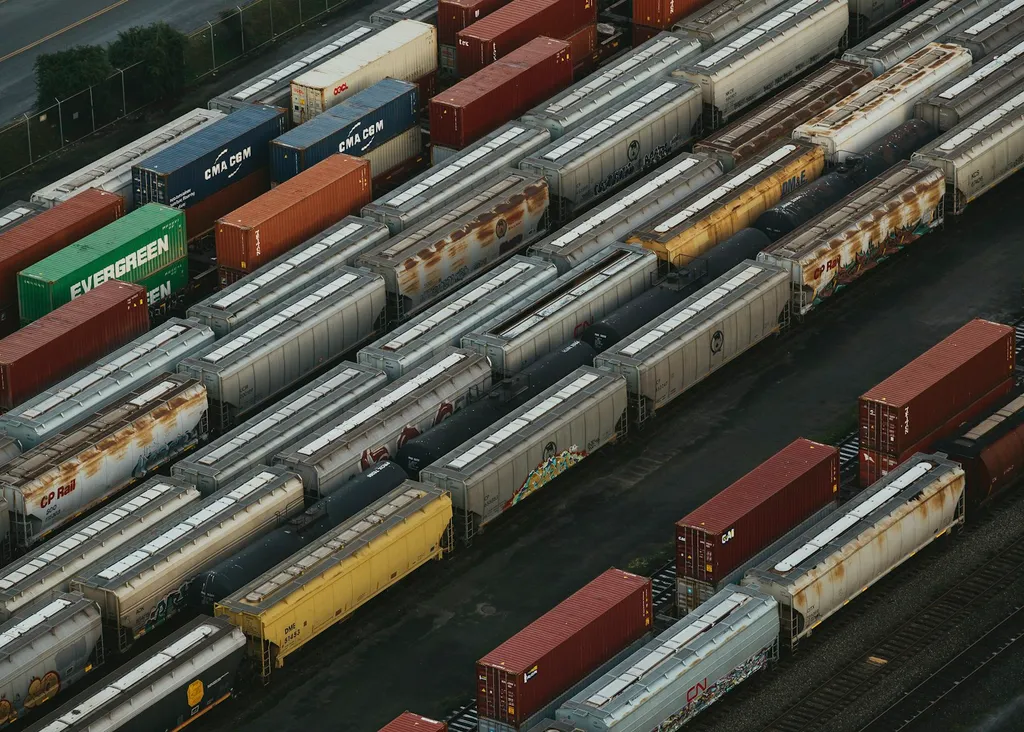
On 2 September 2026, a China–Europe freight train loaded with electromechanical equipment, new-energy components and consumer goods rolled out of Alashankou station in Xinjiang, bound for Małaszewicze in Poland. Unremarkable in itself — except that it was the 6,000th train to clear the Alashankou rail gateway since the start of the year. A week earlier, on 24 August, its sister port Horgos had quietly passed the same 6,000-train mark. Between them, Xinjiang’s two western rail gateways have now handled over 11,000 China–Europe/Central Asia trains in 2026, up 5.9% year on year.
Why importers to Uzbekistan should care
The overwhelming majority of containers moving from China to Uzbekistan transit one of these two gateways. So the numbers coming out of Xinjiang translate directly into changes on your shipping route:
Capacity is growing ahead of demand. The China–Europe/Central Asia rail network already runs at more than 18,000 trains a year, and the infrastructure keeps widening. Since the second track of the Lanzhou–Xinjiang railway on the Jinghe–Alashankou section entered service, the station’s standard-gauge handling capacity rose 15% and its broad-gauge capacity 30% — the port absorbs peak-season surges without the queues that used to add days to transit times.
The border is no longer the bottleneck. At Alashankou, rail, customs and border-inspection services now run a joint operations mechanism, and the fastest clearance for a train takes under 4 hours. Horgos operates a “smart rail port + rapid customs clearance” model: data is exchanged in real time, containers are inspected on arrival, and overall clearance efficiency is up more than 50%. In practice, cargo no longer sits at the border for two or three days — it crosses within a day.
Route choice keeps expanding. Alashankou offers 129 routes to 21 countries; Horgos runs 91 routes across 18 countries and regions. Cargo categories now exceed 200, from machinery and auto parts to home appliances and everyday consumer goods.
Trade growth is pulling logistics forward
The container surge has a simple economic driver: in the first quarter of 2026, China–Uzbekistan trade jumped 53.3% to $4.6 billion. China remains Uzbekistan’s largest trading partner, with bilateral turnover of $17.2 billion in 2025. At this pace, rail is the most cost-efficient way to move volume cargo — and the corridor’s capacity is being built ahead of that demand.
If you import from China, rail freight deserves a fresh look: slower than trucking but a fraction of air freight cost, and far more predictable than either when volumes are large. The sea–rail option via Lianyungang adds another layer of flexibility — we covered that corridor in detail earlier.
What to do as an importer
- Book early. Autumn is peak season. With train density rising, container slots are best secured 2–3 weeks before the factory ships.
- Consider DDP terms. When cargo consolidation in China and customs clearance in Uzbekistan sit with one operator, total lead time becomes far more predictable.
- Match the mode to the cargo. Urgent batches by air; mid-size and heavy consignments of equipment and materials — rail, where the new capacity and faster clearances pay off most.
Bottom line
Record numbers at Xinjiang’s gateways confirm a simple trend: the China–Uzbekistan rail corridor is getting faster and more reliable. Clearances are measured in hours, route choice is at an all-time high, and for importers that ultimately means lower rates and firmer delivery commitments.
When is your next shipment leaving China? The UZLogis team can help you pick the optimal route, secure container space and handle full customs clearance end to end. Get in touch today — the consultation is free.