
China–Kyrgyzstan–Uzbekistan Railway Hits 17% Completion: What Importers Should Plan For
The China–Kyrgyzstan–Uzbekistan railway is accelerating. With 17% of the 530 km corridor now built, Uzbek importers should prepare for shorter transit times and new routing options.
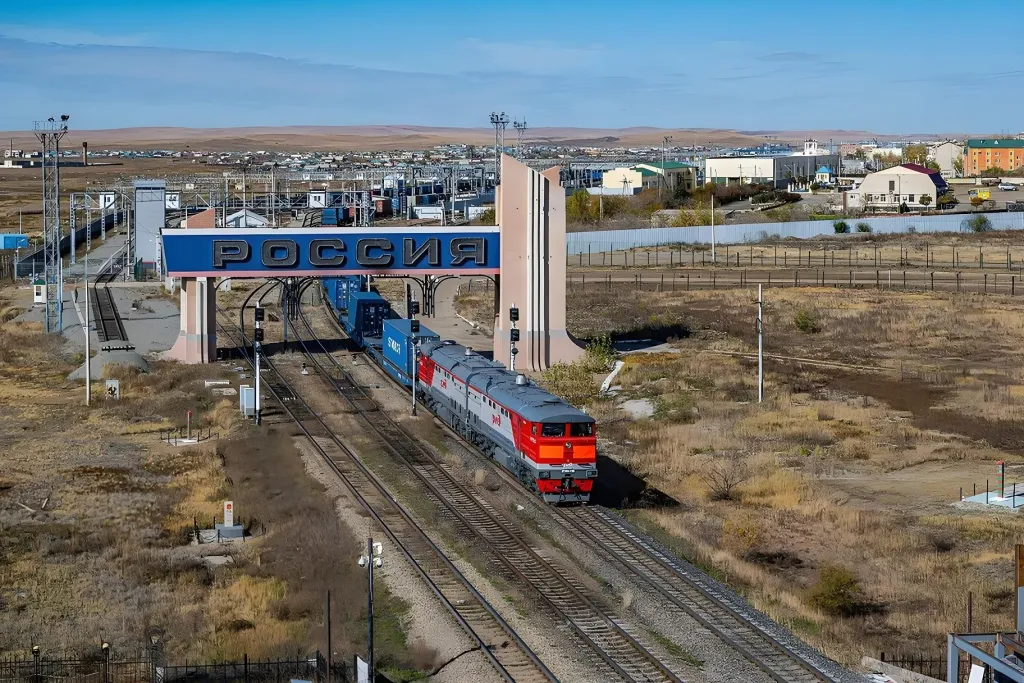
Construction of the China–Kyrgyzstan–Uzbekistan (CKU) railway is moving faster than expected. As of late August 2026, roughly 17% of the 530-kilometer corridor has been completed, and Uzbekistan’s transport minister has suggested the line could open a year ahead of the original five-year schedule. For importers and manufacturers moving goods between China and Uzbekistan, this is a signal to start planning for a new era of Central Asian rail logistics.
Why the CKU railway matters
Today, most China–Uzbekistan rail freight transits Kazakhstan. The CKU line will create a direct corridor from Kashgar in China’s Xinjiang region to Andijan in Uzbekistan’s Fergana Valley, passing through Kyrgyzstan. Once operational, the route is expected to cut transit times to around ten days and handle up to 15 million tons of cargo annually. That adds meaningful capacity to a region where demand for reliable overland freight is rising fast.
The project is also a geopolitical and economic milestone. By giving China a western overland gateway that bypasses Kazakhstan and Russia, it diversifies Eurasian supply chains and intensifies competition among corridors. For Uzbekistan, the railway strengthens the country’s position as a distribution hub between East Asia, Central Asia, the Middle East, and Europe.
Project status and scale
The Kyrgyz section is the most demanding part of the route. Stretching approximately 304 kilometers through mountainous terrain, it requires dozens of bridges and tunnels. Eight major bridges are already under construction, with more than 10,000 workers and over 7,000 pieces of equipment deployed on site. Total investment is estimated at $4.7 billion, with China holding a 51% stake and Kyrgyzstan and Uzbekistan each holding 24.5%.
The three governments have also agreed to streamline border procedures, remove logistics bottlenecks, digitize permit systems, and improve conditions for road carriers. Longer-term plans include a permit-free road freight regime along the corridor.
Practical implications for importers
If you source machinery, electronics, textiles, automotive parts, or agricultural equipment from China, the CKU railway will eventually add a faster, more direct rail option. In the short term, however, your existing supply chain still matters. The line is under construction and will not replace current corridors overnight. Smart importers should use this lead time to review suppliers, shipping schedules, and customs documentation before the new route opens.
For cargo moving today, rail freight remains the most cost-effective choice for bulk shipments, while air freight is the right option for urgent or high-value cargo. Road freight can fill gaps for regional distribution or door-to-door requirements.
Technical challenges to watch
The CKU railway is not without complications. China uses the 1,435 mm standard gauge, while Kyrgyzstan and Uzbekistan use the 1,520 mm broad gauge. That means efficient transshipment or bogie-changing facilities will be essential at border crossings. Mountainous terrain, single-track sections, and tunnel capacity could also affect schedule reliability, especially during winter weather.
Still, the trend is clear: Central Asia is getting better-connected to China by rail, and Uzbek importers stand to benefit from more choices and shorter lead times.
Get ready with UZLogis
The CKU railway will open new possibilities, but realizing those gains requires preparation. UZLogis helps Uzbek importers move freight from China with full-service rail freight and road freight solutions, including route planning, customs support, and end-to-end tracking.
Contact us today to review your China–Uzbekistan shipping strategy and lock in a competitive rate before the new corridor reshapes the market.