
China–Kyrgyzstan–Uzbekistan Railway Builds Ahead of Schedule: What Importers Should Prepare For
Chinese and Kyrgyz leaders have called for high-quality construction of the China–Kyrgyzstan–Uzbekistan railway. The project may open earlier than planned—here's what importers need to know.
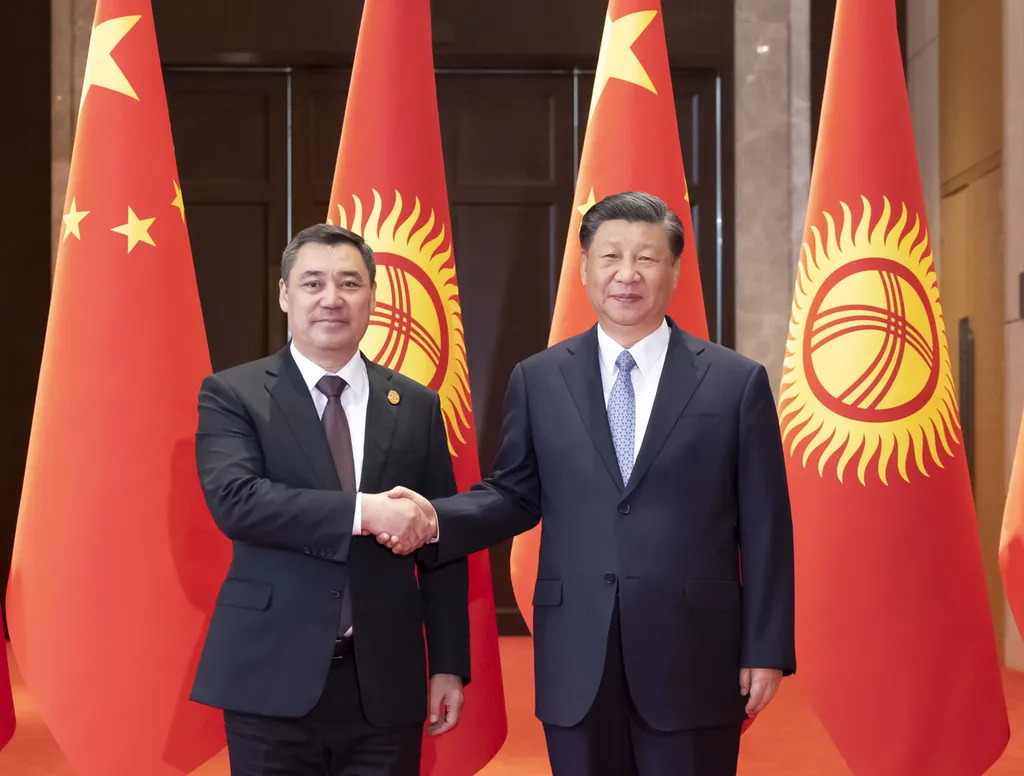
The China–Kyrgyzstan–Uzbekistan (CKU) railway has gained fresh momentum. On August 31, 2026, Chinese President Xi Jinping, meeting with Kyrgyz President Sadyr Japarov, called for the project to be built to high standards. Japarov responded that Kyrgyzstan is ready to turn the line into a “steel Silk Road” for the new era.
This is more than diplomatic language. Since construction formally began in Kyrgyzstan in December 2024, the project has moved faster than expected, and officials now say it could be completed a year ahead of the original five-year timeline—possibly opening in 2029 rather than 2030.
Where does construction stand?
By early August 2026, roughly 17% of the railway was complete. But the activity on the ground is more impressive than the percentage suggests. In Kyrgyzstan’s Jalal-Abad region, more than 10,000 workers and over 7,000 pieces of equipment are deployed. Of the 29 tunnels planned, 26 are under construction; of 50 bridges, 40 have broken ground; and of 107 subgrade sections, work has begun on 83.
The roughly 532 km route will start in Kashgar, Xinjiang, cross into Kyrgyzstan through the Torugart Pass, run through Jalal-Abad, and connect with Uzbekistan’s rail network in the Andijan Region. It will be the first direct rail corridor between China and Uzbekistan that bypasses Kazakhstan entirely.
Why should importers care?
Uzbekistan is double-landlocked, with no direct sea access. That means nearly all imports move by land, and rail is the backbone of bulk cargo supply chains. Today most containerized freight from China enters Uzbekistan through Kazakhstan—via Khorgos or Dostyk, then the Saryagash–Keles crossing. The route is mature, but it involves three documentation chains and can become congested during peak seasons.
The CKU railway gives importers a genuine alternative:
- Shorter transit times. Forecasts suggest the corridor could cut delivery times to roughly 10–12 days, or 7–8 days faster than some current options.
- Direct access to the Fergana Valley. Cargo bound for Andijan, Namangan, and Fergana will have the shortest possible rail route from China.
- More corridor competition. An additional route reduces dependence on a single transit path and should help stabilize rates over time.
That said, the line will not open tomorrow. Full commissioning is still several years away. Importers should therefore treat this as a preparation window, not a waiting period.
What to do now
- Map your current routes. If your suppliers are in central or southern China, discuss whether shipments can be routed through Kashgar once CKU trial and scheduled services begin.
- Plan around peak seasons. October through December are the busiest months for China–Central Asia rail. Booking container slots two to three weeks ahead helps avoid rate spikes and delays.
- Review your Incoterms. DDP remains the most importer-friendly option for Uzbekistan because one logistics partner handles export clearance in China, transit, and Uzbek customs.
UZLogis already runs rail freight services from China to Uzbekistan over established corridors, and we are preparing clients for the CKU railway launch. In an earlier post we explained how the new line will reduce reliance on third-country transit.
Bottom line
The CKU railway is shifting from a long-term plan to a real piece of regional infrastructure. For importers, that means both a new corridor on the horizon and a reason to re-examine logistics strategy today.
If you are importing bulk cargo from China to Uzbekistan—shipments over 40 kg per lot—contact UZLogis for a quote. We will find the best route available now and build a transition plan for when the CKU railway opens for regular freight.