
Samarkand, Bukhara and Navoi route
Freight from China to Samarkand, Bukhara and Navoi
Via the Khorgos and Alashankou crossings: road and rail freight to the central regions of Uzbekistan — directly or distributed through the Tashkent terminals.
Central regions — road and rail together
Samarkand, Navoi and Bukhara sit on the Tashkent — Samarkand — Bukhara railway line and on the M39 highway. That means two ways to ship there: by road directly from Khorgos, or by container train to the Tashkent and Chukursay terminals with onward road distribution. For the Navoi free economic zone, construction projects and large retail chains the difference in cost and transit time depends on the volume — so we calculate and compare both options for you.
Route at a glance
Two delivery options and average transit times.
- Border crossings
- Khorgos (road) and Khorgos / Alashankou (rail)
- Transit country
- Kazakhstan
- Road itinerary
- Khorgos — Almaty — Shymkent — Tashkent — Samarkand — Navoi — Bukhara
- Rail option
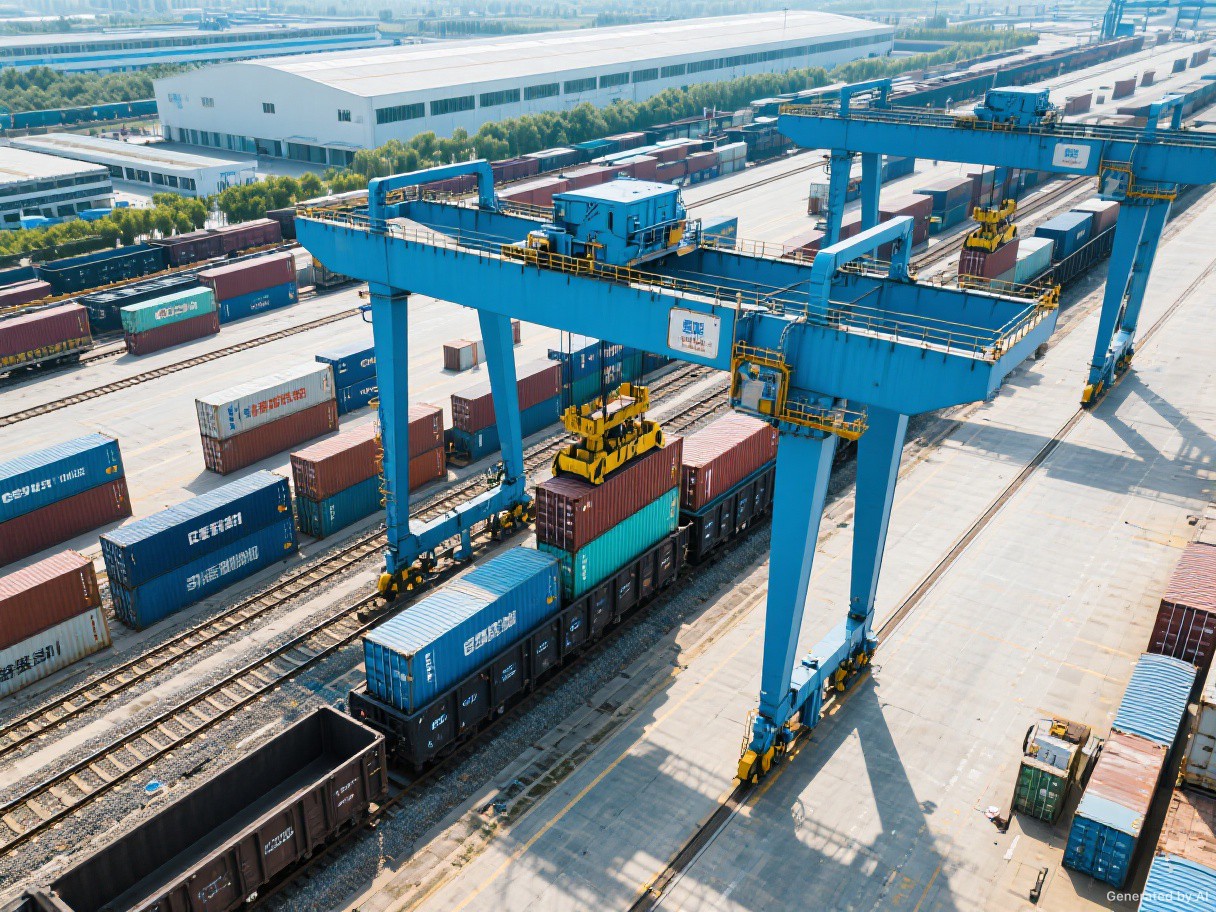
- container train to the Tashkent and Chukursay terminals, then by road
- Railway line
- Tashkent — Samarkand — Navoi — Bukhara
- Transit time
- 9–15 days on average to Samarkand and Bukhara
- Minimum shipment
- 40 kg
- Customs
- Export clearance in China + customs clearance in Uzbekistan
Route stages
From China to the central regions.
1. Cargo collection
Cargo is collected in any city in China and prepared for export.
2. Export clearance
The declaration and consignment note are issued: CMR for road, SMGS for rail.
3. Leaving China
Road cargo crosses at Khorgos; rail cargo at Khorgos — Altynkol or Alashankou — Dostyk.
4. Arrival in Tashkent or transit
By rail the container is discharged at the Tashkent and Chukursay terminals; road cargo continues directly.
5. Distribution to the central regions
Delivery to Samarkand, Navoi and Bukhara; other regions are possible too.
Transit times
Average transit times — they depend on the mode and customs:
| Destination city | Transit time | Notes |
|---|---|---|
| Samarkand | 9–14 days | By road or via Tashkent |
| Navoi | 10–15 days | By road or rail |
| Bukhara | 10–15 days | By road or rail |
| Tashkent | 7–12 days | Transit point |
Cargo we handle
The central regions are served for:
Industrial equipment
Equipment, machinery, production lines
Construction materials
Profiles, tiles, rebar, insulation materials
Textiles
Fabrics, clothing and wholesale batches
Appliances and electronics
Home appliances, electronics, accessories
Auto spare parts
Auto components and spare parts
Food and packaging
Packaging materials and non-perishable food
Central regions questions
Should I choose rail or road?
For large volumes a container train is usually cheaper; for small and medium consignments and urgent delivery, road is more convenient. We calculate and compare both options based on volume, destination and timing.
Is there a direct train to Samarkand and Bukhara?
Samarkand, Navoi and Bukhara are located on the Tashkent — Samarkand — Bukhara line. In practice containers are accepted at the Tashkent and Chukursay terminals and distributed onwards by road — that is the most stable option in terms of customs and transit time.
What are the transit times?
Around 9–14 days to Samarkand and 10–15 days to Navoi and Bukhara. Times depend on the mode, border queues and customs.
What documents does the Navoi FEZ require?
Projects in the free economic zone may require additional documents and incentives. Describe your cargo and we will prepare the list of required documents.
Why UZLogis?
We compare both options
Road and rail costs calculated together.
Terminal handling
Distribution from the Tashkent and Chukursay terminals.
Customs support
Customs clearance on both sides.
Tracking
Regular status updates at every stage.
Get a Free Quote
Fill in the form — our specialists will contact you within 24 hours.
Get a quote for the central regions
Tell us your volume and destination — we will compare road and rail options.