
China–Uzbekistan Trade Hits $16.1 Billion: What the Premier's Tashkent Visit Means for Shippers
Chinese Premier Li Qiang visited Tashkent on October 17–18, 2026. Bilateral trade reached $16.1 billion in 2025, up 17.9%. Here is what the new momentum means for importers moving cargo from China to Uzbekistan.
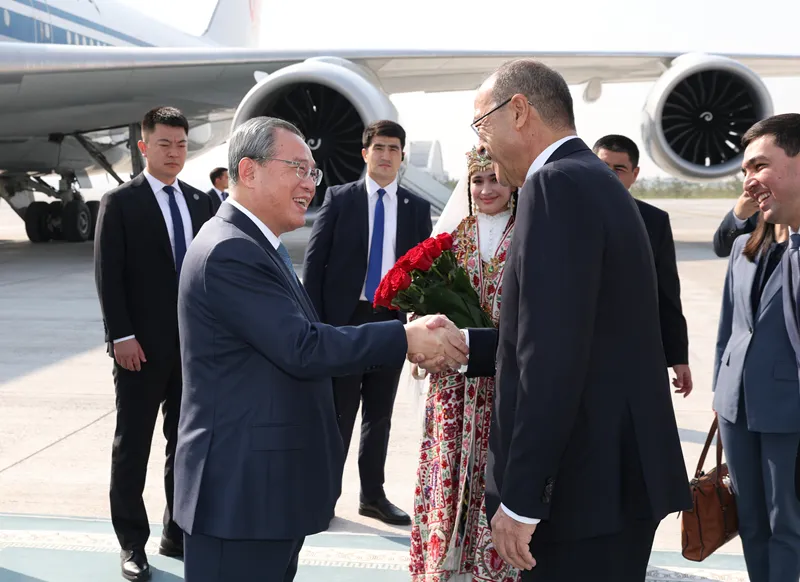
On October 17–18, 2026, Chinese Premier Li Qiang paid an official visit to Tashkent, holding talks with President Shavkat Mirziyoyev and Prime Minister Abdulla Aripov. Trade expansion and transport connectivity topped the agenda — and the numbers released during the visit tell freight buyers a lot about where the corridor is heading.
The numbers behind the visit
According to official data presented in Tashkent:
- Two-way trade reached $16.1 billion in 2025, up 17.9% year on year.
- In the first eight months of 2026, China accounted for 23% of Uzbekistan’s total foreign trade turnover — the largest share of any partner country.
- More than 6,000 joint ventures with Chinese participation are now operating in Uzbekistan.
For the logistics market, this is a clear demand signal. Machinery, construction materials, industrial components and consumer goods moving out of China into Uzbekistan need more container slots, more wagons and more trucks every year. Importers who plan capacity early get served first.
Transport and customs takeaways
The two sides signed cooperation documents covering trade and the economy, education, customs, health and poverty reduction, plus separate agreements on e-commerce and climate. Faster customs processing builds on the China–Uzbekistan AEO mutual recognition that recently entered into force — certified companies already clear the border with fewer inspections and shorter waiting times.
The premiers also reiterated their commitment to high-quality construction of the China–Kyrgyzstan–Uzbekistan (CKU) railway. Once completed, it will give China–bound cargo a new rail corridor that does not depend on Kazakh territory — a milestone worth building into long-term supply chain plans.
What importers should do now
- Book container space early. In peak months (September–November and February–April), train slots and truck capacity get taken first by shippers with standing bookings.
- Combine rail and road. Use rail freight as the backbone for regular volumes, and keep road transport as your express or contingency option.
- Use the faster customs lane. Bilateral customs cooperation and AEO status cut clearance time and demurrage costs.
- Negotiate long-term carrier contracts. In a growing flow, fixed rates and guaranteed capacity are the most reliable way to protect your margins.
China also signaled readiness to import more high-quality Uzbek products — good news for companies running two-way trade between the markets.
The bottom line
The Tashkent visit confirms that China–Uzbekistan economic ties have entered a golden age of practical cooperation. For importers, the takeaway is simple: the flow is growing, and the winners are those who lock in the right route, timing and logistics partner early.
UZLogis arranges rail, road and air freight from China to Uzbekistan end to end. Send us your cargo parameters — we will propose a route and rate within 24 hours.