
Auto Parts from China to Uzbekistan: Groupage, LCL Rail or Full Container?
Uzbekistan's imports of spare parts and vehicle kits rose 34.4% to $1.7B in 2025. How to move small and frequent batches: road groupage, rail LCL or a full container — with the customs and packaging rules that actually decide your margin.
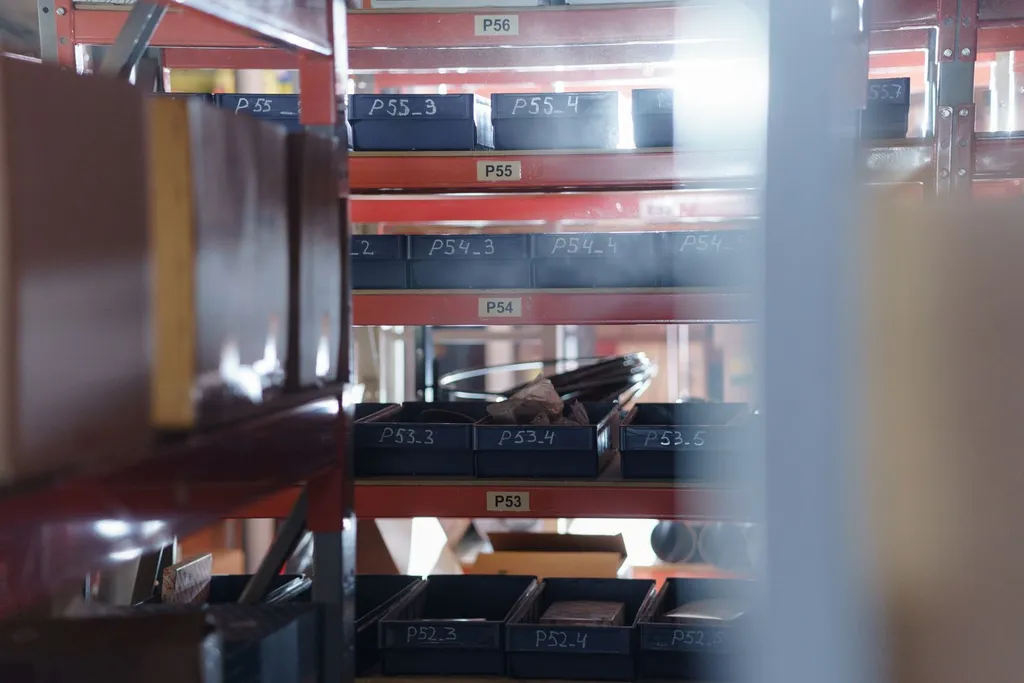
Auto parts are one of the fastest-growing segments of the China–Uzbekistan cargo flow. In 2025, Uzbekistan imported $1.7 billion worth of spare parts and vehicle kits (CBU/SKD) — 34.4% more than the year before (Uzbekistan Customs Committee data). Total automotive-related imports reached $3.7 billion.
The reason is straightforward: the vehicle fleet keeps growing, while service and aftermarket demand still depends on imports. According to Automechanika Tashkent, localization in OEM assembly has reached 67%, yet 60–65% of the spare parts market is still covered by imports — especially electronics, sensors, braking systems and consumables.
For dealers and workshops, the real question is not “how to ship a container” but how to move small, frequent batches: road groupage, rail LCL, or straight to a full container?
Three schemes for smaller batches
Road groupage (LTL) — the flexible start
Cargo from different warehouses in China is consolidated into one truck and runs via Khorgos — Almaty — Shymkent — Tashkent. You pay by volume (cubic metre) or by weight, whichever is greater. For small batches this is the easiest option: even 1–2 m³ can travel without buying space in a container.
Transit: including consolidation and export paperwork in China, usually 12–20 days (common industry estimate). The unit rate is the highest among overland options, but on a small volume the total is still the lowest.
Rail LCL — economical, but you wait
A share of a 40HQ container on a Central Asian train via Khorgos or Alashankou. The rate per cubic metre is lower than road, but you wait for the container to fill — in practice another 5–10 days. Ideal for planned, non-urgent batches such as seasonal stock replenishment. Route details: Khorgos and Alashankou — Tashkent container trains.
Full container (40HQ / 20GP) — once volume grows
From roughly 15–20 m³, a full container is almost always cheaper and faster: no waiting, no sharing with other shippers, fewer opening and closing operations. Rail transit to Tashkent is usually 10–14 days. For heavy items (brake discs, suspension parts, castings) a 20GP works within the weight limit.
Air freight — only for urgent, high-value parts
Sensors, electronic control units, diagnostic equipment: 3–7 days, but the per-kilo rate is several times the overland rate. For heavy or bulky parts it does not pay off.
Packaging: where auto parts actually lose money
The items most often damaged in transit are body panels, headlamps, glass, radiators and parts with plastic components. Practical rules:
- Standard cartons on pallets — stretch-wrapped pallets, no gaps between cartons.
- Fragile items — wooden crates or honeycomb cardboard; headlamps and glass in separate compartments.
- Electronics and sensors — moisture protection: sealed bag plus silica gel, with a shock-absorbing layer inside the carton.
- Heavy at the bottom, light on top — a brake disc and a plastic bumper should not share one pallet.
- Marking — product name, part number and barcode on every carton. Customs wants a specific item description, not a generic “spare parts”.
Customs: codes, certificates and documents
- Getting the HS code right is mandatory. Most items sit in heading 8708, but many are classified separately: tyres under 4011, batteries under 8507, lighting under 8512/8539. A wrong code means the wrong rate and an extra inspection.
- VAT at 12% and customs processing fees (in BRV) add to the budget.
- Certificate of origin — since late February 2026, its absence can add 5–20% duty on top of the standard rate.
- Conformity certificates — brake pads, glass, tyres and safety-related parts need Uzbek conformity documents; check them before shipping, not after.
- For large importers: since August 2026 mutual AEO recognition between China and Uzbekistan is in force — cargo from certified suppliers faces fewer inspections.
Receiving in Tashkent: the Sergeli market is changing
For most parts importers the main receiving point is Tashkent’s Sergeli auto parts district. In 2026 a large-scale modernization began there: the area was split into nine functional zones, container warehouses are being brought into order, and a new access road and parking areas are under construction. The practical meaning for importers: storage and trading-space conditions are shifting — factor local storage costs into your batch planning.
Short summary
| Batch | Scheme | Why |
|---|---|---|
| 1–2 m³, needed fast | Road groupage (LTL) | Fastest, no need to fill a container |
| 3–15 m³, no rush | Rail LCL | Cheaper per cubic metre, but waiting time |
| Above 15–20 m³ | Full container (40HQ / 20GP) | Lowest unit cost, stable schedule |
| Sensors, electronics, emergencies | Air freight | Speed matters, volume is small |
In the parts business the savings are usually hidden in packaging and paperwork: a properly packed shipment loses less, and a correctly coded one does not stop at the border. If you also ship whole vehicles, our earlier guide on car shipping will be useful.
UZLogis consolidates parts from warehouses across China, delivers them to Tashkent on the scheme that fits, and handles customs clearance. Contact us — send your volume and deadlines and get an exact estimate.